How Often Should You Really Change Your Oil? Expert Guidelines for Optimal Vehicle Maintenance
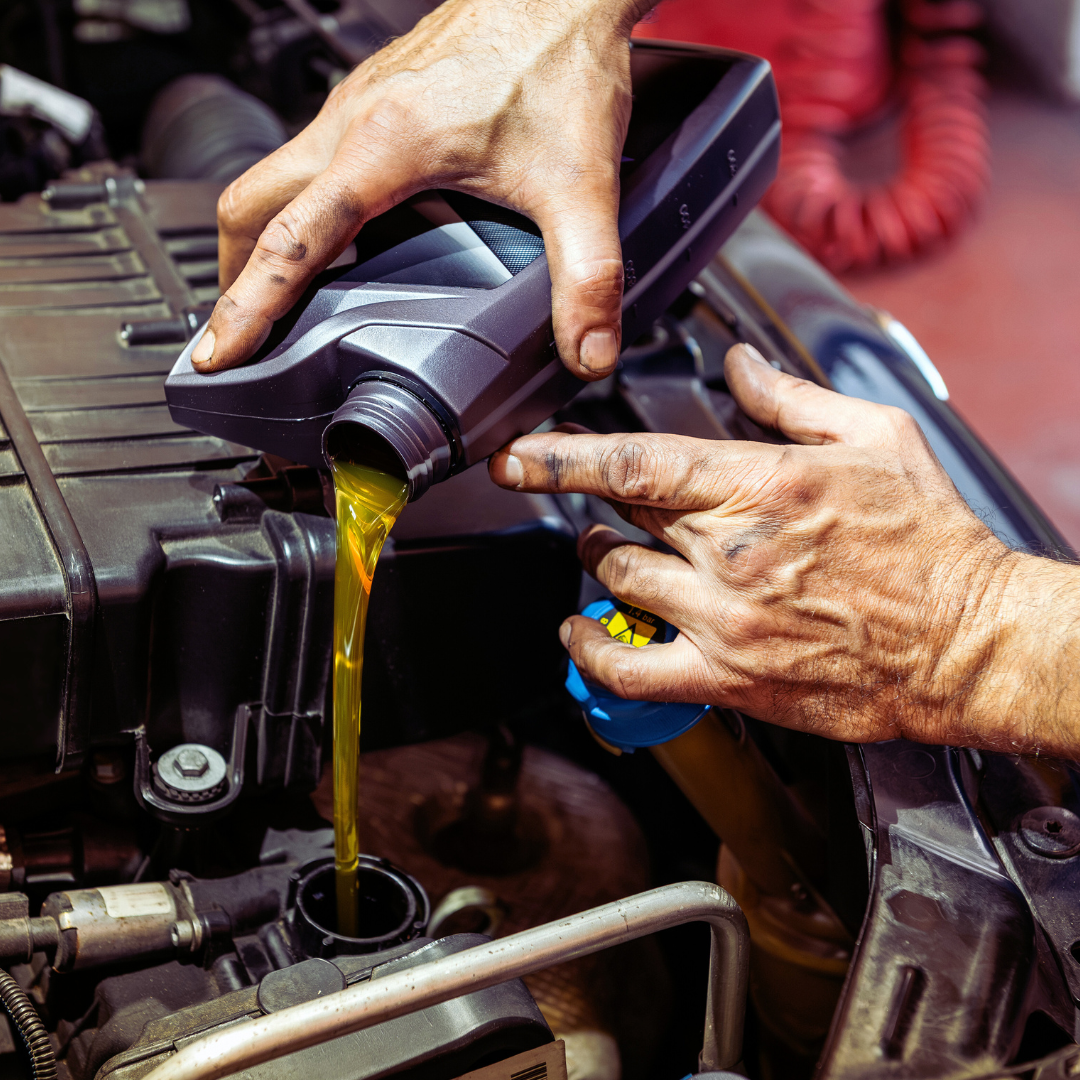
Oil changes are a vital part of vehicle maintenance, but how often they are needed depends on several factors. Many drivers still follow the outdated rule of changing oil every 3,000 miles.
Modern engines and improved oil quality have extended recommended oil change intervals to 5,000 to 7,500 miles for most vehicles. However, this can vary based on driving habits, vehicle type, and oil specifications. Understanding these details helps ensure the engine runs smoothly without wasting time or money on unnecessary changes.
How Often Should You Really Change Your Oil?
The frequency of oil changes depends on several factors, including the type of oil, vehicle usage, and manufacturer recommendations. Understanding these variables helps ensure the engine stays protected without unnecessary oil changes.
Understanding Oil Change Intervals
Oil change intervals vary between vehicles and oil types. Conventional oil usually requires changes every 3,000 to 5,000 miles, while synthetic oils last longer—often up to 7,500 or 10,000 miles.
Manufacturers provide specific intervals in the owner’s manual, which reflect the vehicle’s engine design and expected driving conditions. Ignoring recommended oil change intervals can result in engine wear or reduced fuel efficiency.
Factors such as severe driving conditions—frequent short trips, extreme temperatures, or towing—can shorten the recommended oil change interval. Adjusting oil change frequency to these conditions helps maintain optimal engine performance.
Time vs. Mileage: Which Matters More?
Oil change intervals are often given in miles, but time is equally important. Even if a vehicle isn’t driven often, oil degrades over time due to moisture, contaminants, and oxidation.
Most manufacturers suggest changing oil every six months to one year, regardless of mileage. If a car is driven less than the recommended miles annually, time-based oil changes prevent sludge buildup.
For vehicles driven frequently, mileage becomes the primary factor. Following the recommended mileage intervals while also considering time ensures the oil maintains its protective qualities.
Role of Oil Life Monitoring Systems
Oil life monitoring systems (OLMS) use sensors and algorithms to track engine conditions and determine the optimal oil change interval. These systems consider factors like engine temperature, speed, and driving patterns.
OLMS adjusts the oil change schedule automatically, potentially extending intervals beyond conservative estimates safely. Many modern vehicles display oil life percentages or alerts when an oil change is due.
However, drivers should still consult the owner’s manual and consider their specific driving habits. OLMS provides a personalized oil change frequency, improving convenience and maintenance accuracy.
Factors That Affect Oil Change Frequency
Oil change intervals depend on several practical factors, including how and where a vehicle is driven, the vehicle’s age and type, and whether it experiences severe operating conditions. Each of these elements influences oil degradation and engine wear rates.
Driving Conditions and Habits
Driving habits and conditions directly impact how often oil should be changed. Frequent short trips prevent the engine from reaching optimal operating temperature, causing moisture buildup in the oil, which accelerates oil breakdown. Stop-and-go city driving produces more contaminants in the oil than steady highway driving, requiring more frequent changes.
Highway driving typically subjects engines to consistent speeds and temperatures, which is gentler on oil and often allows for longer intervals between changes. However, aggressive driving, rapid acceleration, and heavy braking increase engine stress, causing oil to lose effectiveness faster.
Vehicle Age and Type
Older engines often have looser tolerances and may consume or contaminate oil more quickly than modern engines, which tend to have improved designs and tighter seals. Vintage or high-mileage vehicles generally require oil changes closer to the lower end of the recommended range.
Modern engines, especially those with synthetic oils, can often go longer between changes due to better oil formulations and advanced engine technologies. Diesel and turbocharged engines may require more frequent oil maintenance because of higher operational stress and greater oil contamination.
Severe vs. Normal Driving Conditions
Severe driving conditions include towing, driving in extreme temperatures, dusty or off-road environments, and frequent short trips. These conditions accelerate oil contamination and breakdown, often requiring oil change intervals to be cut in half or more.
Normal driving involves moderate temperatures and highway travel without heavy loads. In these scenarios, manufacturers’ longer oil change intervals are typically sufficient. Vehicle manuals usually specify separate intervals for normal and severe conditions because oil degradation rates differ significantly between the two.
Types of Engine Oil and Their Impact
Engine oils vary primarily between conventional and synthetic types, each affecting maintenance schedules differently. The choice influences oil change frequency, engine performance, and overall wear resistance.
Conventional Oil vs. Synthetic Oil
Conventional oil is refined from crude oil and contains natural impurities. It offers adequate protection for standard driving conditions but breaks down faster under heat and stress. This means it typically requires changes every 3,000 to 5,000 miles.
Synthetic oil is chemically engineered for uniform molecules, offering better stability. It resists oxidation and thermal breakdown better than conventional oil. This translates to longer intervals between changes, commonly 7,500 to 10,000 miles, depending on manufacturer recommendations and driving habits.
Synthetic blends combine both types to balance cost and performance. They provide some benefits of synthetic oil, but generally require more frequent changes than full synthetic oils.
Benefits of Full Synthetic Oil
Full synthetic oil provides superior lubrication, which reduces friction and wear inside the engine. It performs consistently in extreme temperatures, both hot and cold, ensuring faster starts and better protection.
It also contains additives that help clean the engine by preventing sludge build-up. This maintenance minimizes wear on engine parts and can extend engine life.
The enhanced durability means fewer oil changes are needed, making it a cost-effective option over time. Full synthetic oils also improve fuel efficiency slightly due to reduced engine drag.
Consequences and Benefits of Proper Oil Change Intervals
Regular oil changes support consistent engine lubrication and maintain fuel efficiency. Following recommended intervals reduces the risk of engine noise, oil leaks, and costly repairs. Proper timing enhances engine performance and can prevent premature engine replacement.
Impact on Engine Performance and Longevity
Engine oil reduces friction between moving parts, which helps prevent wear. When oil degrades, its ability to lubricate diminishes, leading to increased engine noise and reduced performance. Timely oil changes maintain clean oil that protects components and prolongs



0 Comments