How to Read and Understand Your Car’s Dashboard Warning Lights for Safer Driving and Maintenance
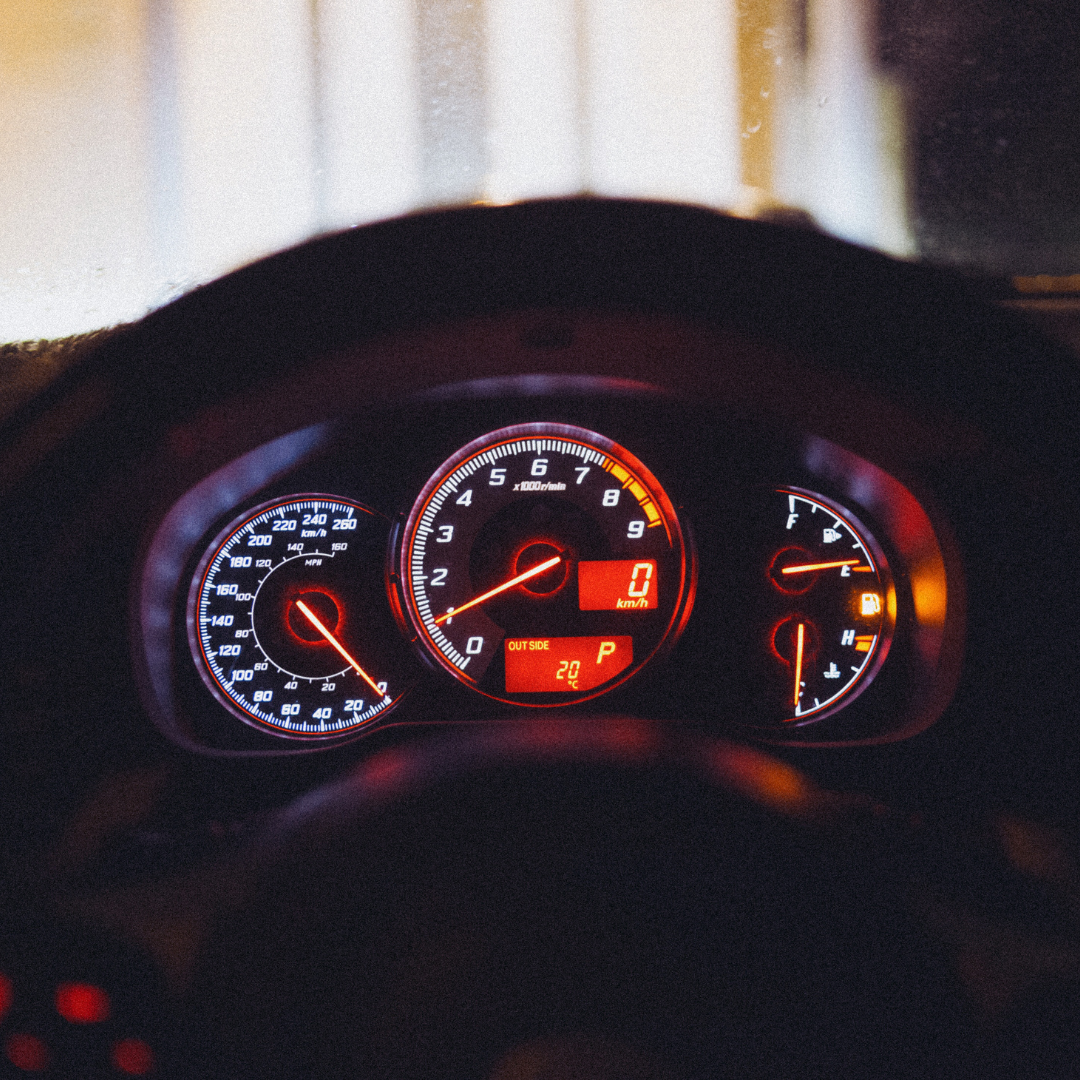
Car dashboard warning lights provide critical information about the vehicle’s condition and safety. Understanding these lights helps drivers identify issues early, potentially preventing costly repairs or dangerous situations.
The key to reading and understanding your car’s dashboard warning lights is knowing what each symbol means and how urgent the indicated problem is. Many lights represent routine checks, while others signal that immediate attention is necessary.
This guide breaks down common dashboard warnings and explains their importance clearly. It equips drivers with the knowledge to respond appropriately without confusion or delay.
Understanding Dashboard Warning Lights
Dashboard warning lights provide critical information about a vehicle’s systems. Knowing what these lights represent and how their colors indicate urgency helps drivers respond appropriately. It’s essential to distinguish between different types of warning signals to maintain vehicle safety and performance.
What Are Dashboard Warning Lights
Dashboard warning lights are symbols on a vehicle’s instrument panel that alert drivers to various system statuses or malfunctions. They communicate issues related to the engine, brakes, airbags, and other components.
These lights illuminate when the car detects a problem or when routine checks occur at ignition. Some lights indicate conditions requiring immediate attention, while others convey non-urgent maintenance needs.
Dashboard warning lights help prevent serious damage by signaling issues early. Ignoring them can lead to costly repairs or safety hazards.
Types of Dashboard Lights by Color
Dashboard warning lights are color-coded for priority. Red lights signal immediate action; these issues can affect safety or cause serious damage. Examples include brake system warnings and engine overheating.
Yellow or amber lights indicate caution. They usually warn of maintenance needs or minor problems such as low fuel, traction control activation, or check engine alerts.
Green or blue lights are informational. They show system status, like headlights on or cruise control engaged. These do not require urgent attention.
Understanding color codes helps drivers decide when to stop, seek repair, or continue driving safely.
Why Dashboard Lights Matter
Dashboard warning lights play a vital role in vehicle maintenance and safety. They provide real-time feedback on potential mechanical failures or system malfunctions.
Ignoring warning lights can lead to decreased performance, unsafe driving conditions, or costly repairs. Responding promptly to warnings often prevents breakdowns.
Regularly consulting the vehicle’s manual to identify specific warning lights ensures accurate interpretation. This practice helps drivers take informed actions based on the nature and severity of the alert.
Common Dashboard Warning Lights and Their Meanings
Dashboard warning lights indicate specific issues requiring attention. Some signals warn about engine performance, fluid levels, brake function, and electrical charging systems. Understanding these symbols helps drivers address problems timely manner and avoid damage.
Check Engine Light
The check engine light signals problems detected by the vehicle’s onboard diagnostic system. It can indicate anything from a loose gas cap to serious engine or emission system failures. When the light is steady, the issue is usually non-urgent but should be checked soon.
A flashing check engine light is more serious. It typically means a severe engine misfire that can cause damage. In this case, the driver should stop driving and have the car inspected immediately.
Modern vehicles store error codes related to this light. Mechanics use these codes to diagnose issues quickly, such as faulty sensors, catalytic converter problems, or ignition faults.
Oil Pressure Warning Light
The oil pressure warning light alerts about low oil pressure in the engine. Low oil pressure can be caused by insufficient oil levels, a failing oil pump, or a clogged oil filter. This warning is critical because inadequate oil pressure can lead to engine damage.
If the oil pressure warning light comes on, the driver should stop the vehicle promptly. Checking the oil level manually can help determine if topping off is possible. However, if oil levels are normal, a mechanical failure may be the cause.
Driving with this light on risks severe engine damage. It requires immediate mechanical inspection to prevent costly repairs or engine failure.
Brake System Warning Indicators
Brake system warning lights include several signals, such as the brake system warning, low brake fluid, and parking brake warning lights. Each indicates a specific issue that can affect braking performance.
The brake system warning light often means worn brake pads or a hydraulic problem. The low brake fluid light points to insufficient brake fluid, which may cause brake failure. The parking brake warning light remains on if the parking brake is engaged or if there is a fault in the system.
If any brake warning light illuminates while driving, it is essential to stop and assess the brakes. Continued driving in such conditions is unsafe and risks accidents or brake system damage.
Battery Alert and Charging Warnings
The battery alert light indicates issues with the vehicle’s charging system. This often means the alternator is not charging the battery adequately or the battery itself is failing.
If the battery warning light turns on, electrical systems might start malfunctioning. The engine could stall if the battery drains completely. Drivers should test the battery and alternator soon.
Ignoring this warning can lead to a breakdown. Regular battery checks and alternator inspections help avoid unexpected power failures on the road.
Safety and Performance Related Warning Lights
Certain dashboard warning lights specifically target vehicle safety and operational performance. Recognizing these warnings promptly helps prevent accidents and major mechanical issues.
Traction Control System and Stability Control
The traction control system (TCS) warning light indicates issues with the system designed to prevent wheel spin during acceleration. If this light stays on, traction control may be disabled, increasing the risk of loss of control on slippery roads.
The stability control system uses sensors to help maintain vehicle stability during sudden maneuvers. A persistent stability control warning means the system is malfunctioning and won’t assist in preventing skids or oversteer.
Drivers should reduce speed and drive cautiously if either light remains illuminated. Repair should be sought promptly to restore these critical safety features.
Tire Pressure Monitoring and Low Tire Pressure
The tire pressure monitoring system (TPMS) alerts when one or more tires are significantly underinflated. A low tire pressure warning light usually appears as an exclamation mark inside a horseshoe shape.
Low tire pressure reduces fuel efficiency, increases tire wear, and impairs vehicle handling. Drivers should stop safely and check tire pressures with a gauge, inflating tires to the manufacturer’s recommended levels.
If the TPMS light stays on after inflation, it may indicate a sensor issue or slow leaks requiring professional assessment.
Coolant Temperature Warning Signs
The coolant temperature warning light signals when the engine temperature is too high. Overheating can cause severe engine damage, like warped heads or failure.
If this light comes on, the driver should stop as soon as safely possible and turn off the engine to prevent damage. Common causes include low coolant level, radiator failure, or a malfunctioning thermostat.
Refilling coolant or addressing cooling system faults usually clears the warning when resolved. Continued driving with this light on risks costly repairs.
Airbag and Supplemental Restraint System Indicators
The airbag warning light signals a problem in the supplemental restraint system (SRS). If it stays on, airbags may not deploy properly in a crash.
This indicator is often a silhouette of a person with a circle or “SRS” letters. Interruptions in sensor connections, faulty airbag modules, or seatbelt pretensioner issues can trigger the warning.
Drivers should have the system inspected promptly. Ignoring this light compromises occupant safety during collisions and increases injury risks.
Responding to Dashboard Warning Lights
Dashboard warning lights communicate essential information about a vehicle’s condition and safety. Knowing how to interpret these signals and act accordingly can prevent breakdowns and costly repairs.
How to Interpret Warning Signs
Each dashboard warning light carries a specific meaning categorized by color and symbol. Red lights indicate urgent issues that require immediate attention, such as low oil pressure or engine overheating.
Yellow or orange lights warn of problems that need to be addressed soon, like low fuel or engine emissions. Green or blue lights typically signify informational status, like high beam indicators.
Consulting the vehicle’s owner manual helps identify symbols unique to each car model. Recognizing whether a warning light signals a safety issue or a maintenance reminder is critical to proper response.
Steps to Take When a Light Appears
When a warning light activates, the first step is to check the vehicle’s current operation. If it is a red light, the driver should stop driving as soon as safely possible.
For yellow lights, the driver should plan to service the vehicle promptly, but can often continue driving briefly. Opening the hood to check the fluid level, such as oil or coolant, can help assess the situation.
Recording when the warning light began helps technicians diagnose problems. If unsure, contacting a service professional or roadside assistance provides expert guidance.
The Importance of Service Reminders
Service reminders alert the driver to routine maintenance needs such as oil changes and brake inspections. Ignoring these can lead to system degradation and reduce vehicle reliability.
These reminders are programmed based on time, mileage, or sensor data. Responding promptly maintains optimal vehicle performance and extends component lifespan.
Scheduling service appointments when reminders appear prevents small issues from escalating. Tracking service history also supports resale value and warranty compliance.
When to Seek Roadside Assistance
Roadside assistance should be contacted if a warning light signals a critical failure or the vehicle becomes unsafe to drive. Examples include persistent overheating or brake system errors.
If the car stalls or shows signs of electrical failure, professional help ensures safe towing or repairs. Some vehicle insurance or credit cards include roadside assistance services, offering added convenience.
Calling for assistance can prevent further damage and avoid hazardous situations, especially when driving in remote areas or heavy traffic.


0 Comments