Tips for Extending the Life of Your Tires with Proven Maintenance Strategies
Tires play a crucial role in vehicle performance and safety, making their proper care essential. Extending the tire lifespan not only saves money but also ensures consistent handling and braking. Maintaining correct tire pressure, regular rotations, and proper alignment are key steps to prolonging tire life.
Neglecting tire care can lead to uneven wear and reduce overall vehicle efficiency. Simple habits like checking tread depth and avoiding aggressive driving also contribute significantly to tire durability. Following these practical tips helps keep tires in optimal condition longer.
Essential Tire Maintenance Practices
Proper tire care relies on consistent attention to pressure, rotation, alignment, and balancing. Addressing these elements helps prevent uneven wear, improve fuel efficiency, and maintain vehicle safety.
Checking and Maintaining Tire Pressure
Maintaining correct tire pressure is critical. Underinflated tires can cause excessive wear on the edges and reduce fuel economy. Overinflation, on the other hand, wears tires out faster in the center tread.
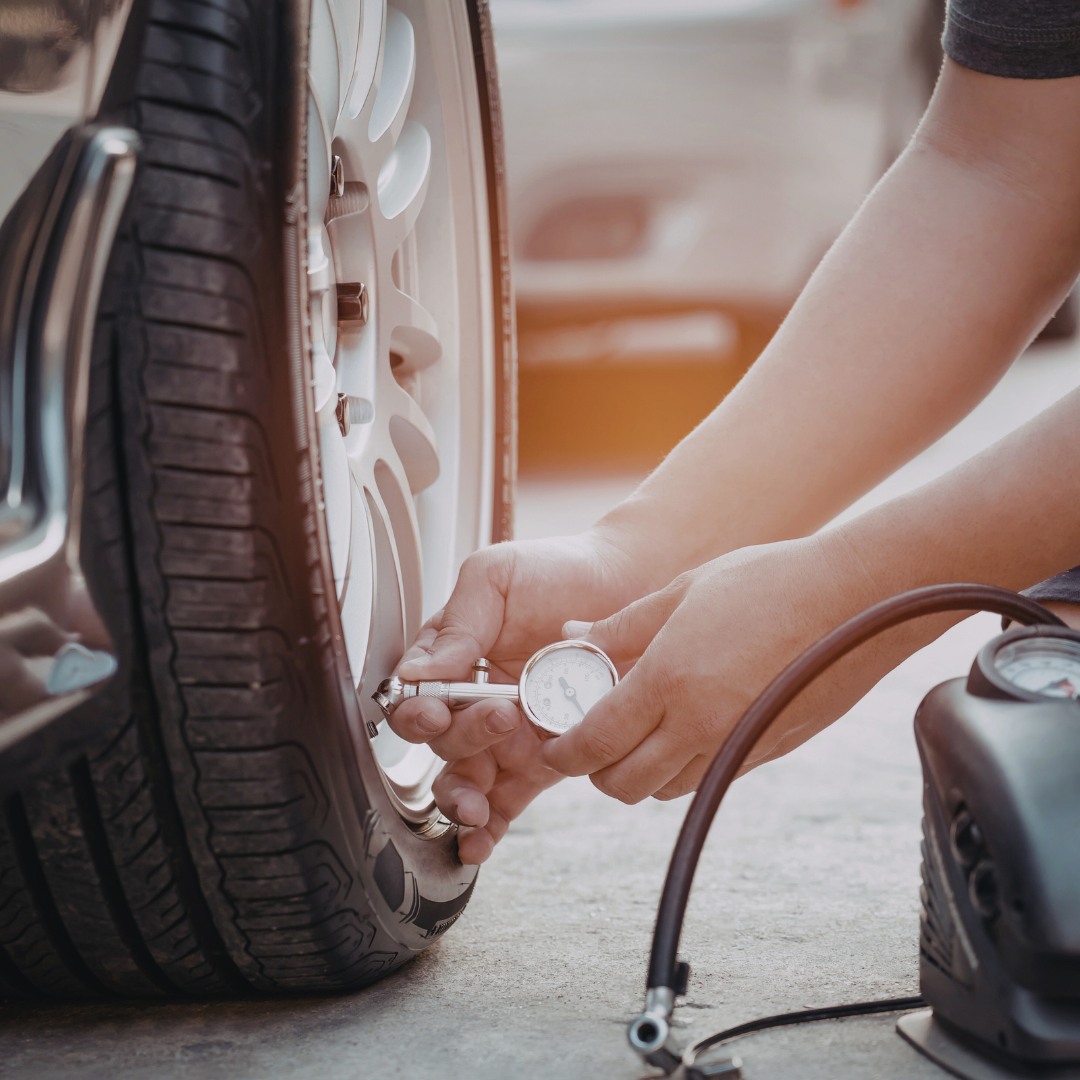
Drivers should use a quality tire pressure gauge to check pressure monthly and before long trips. Vehicle manufacturers provide recommended PSI values, which vary by model and load.
Modern vehicles often feature a Tire Pressure Monitoring System (TPMS) that alerts when pressure drops below safe levels. However, drivers should still perform manual checks, as TPMS may not detect slow leaks.
Regular Tire Rotation Schedule
Tire rotation evens out wear by moving tires to different positions on the vehicle. Front tires typically wear faster due to steering and engine weight.
Most manufacturers recommend rotating tires every 5,000 to 8,000 miles. This interval aligns with oil changes, making it easier to remember.
Rotation patterns vary by drivetrain:
- Front-wheel drive: swap front tires to the rear on the same side or cross-swapping.
- Rear-wheel/all-wheel drive: different patterns apply, often cross-rotation.
Following a schedule maintains balanced tread life and improves handling.
Wheel Alignment and Tire Balancing
Wheel alignment ensures tires meet the road at the correct angles to avoid uneven wear. Misalignment causes pulling, vibrations, and rapid tread loss.
Alignment should be checked annually or after impacts like hitting potholes. Poor alignment damages tires and stresses suspension components.
Tire balancing corrects uneven weight distribution around the tire and wheel assembly. Unbalanced tires cause vibrations and uneven tread wear.
Balancing is usually performed during tire installation, but it should be inspected if vibration occurs. Both alignment and balancing extend tire life and enhance driving comfort.
How to Prevent Uneven or Excessive Tire Wear
Careful attention to tire condition and road habits can greatly reduce uneven or excessive tire wear. Regular checks and cautious driving help maintain optimal tread depth and prevent damage that shortens tire life.
Inspecting Tread Depth and Tread Wear
Tread depth directly affects tire grip and safety. It should be measured regularly using a tread depth gauge or the penny test. Insert a penny into the tread grooves with Lincoln’s head upside down. If the top of his head is visible, the tread is too worn, and the tire should be replaced.
Uneven tread wear often signals alignment or inflation problems. Tires with more wear on one side may indicate misalignment, while center wear often points to over-inflation. Drivers should check tread wear patterns every month and address issues promptly to avoid premature tire replacement.
Monitoring for Tire Damage and Sidewall Issues
Tire damage includes cuts, punctures, and bulges in the sidewalls, which compromise tire integrity and safety. Regular visual inspection is necessary, especially after rough roads or impacts. Sidewall damage can lead to tire failure even if the tread depth remains sufficient.
Even minor cracks or bubbles in the sidewall require professional evaluation. Ignoring sidewall damage risks blowouts. Drivers should also confirm the tire’s age, as older tires can develop dry rot that looks like small cracks.
Avoiding Potholes and Overloading Your Vehicle
Hitting potholes can cause internal tire damage not visible externally, leading to uneven wear or sidewall weakness. Drivers should reduce speed when approaching potholes and avoid them whenever possible.
Overloading puts excessive pressure on tires, accelerating tread wear and increasing the chance of sidewall damage or blowout. Vehicle weight should stay within manufacturer limits listed in the owner’s manual or on the door jamb sticker. Proper load management protects tire lifespan significantly.
Smart Driving and Seasonal Strategies for Tire Longevity
Driving habits and proper seasonal tire management greatly affect tire lifespan and performance. Adjusting acceleration, braking, and tire storage methods can protect tires and maintain fuel efficiency.
Driving Habits That Maximize Tire Life
Smooth acceleration reduces excessive tire wear by minimizing slip and heat buildup. Abrupt starts and hard braking cause uneven tread wear and shorten tire life.
Maintaining correct tire pressure improves contact with the road and prevents premature wear. Underinflated tires reduce fuel efficiency and increase rolling resistance.
Regularly rotating tires every 6,000 to 8,000 miles evens out wear patterns. It also supports consistent tire performance across all positions.
Choosing and Storing Winter Tires and Summer Tires
Winter tires use softer rubber compounds to stay flexible in cold temperatures, improving grip and safety on ice and snow. Switching to summer tires when temperatures exceed 45°F preserves tread life, as summer tires handle heat better and resist wear from warm pavement.
Store off-season tires in a cool, dry place away from direct sunlight and sources of ozone, such as electrical motors. Place tires upright or stack them horizontally on a clean surface, and seal them in airtight bags to reduce deterioration.
Recognizing When to Replace Your Tires
Tread depth is the main indicator of tire replacement needs. Tires should be replaced when the tread depth reaches 2/32 inch for most vehicles.
Look for visible signs such as cracks, bulges, or uneven wear patterns, which compromise safety and tire performance. Older tires than six years may need replacement even if the tread appears sufficient.
Professional inspections can identify hidden issues and ensure timely tire replacement to maintain fuel efficiency and vehicle control.


0 Comments