Understanding The Basics Of Adaptive Cruise Control: A Clear Guide To Its Features And Benefits
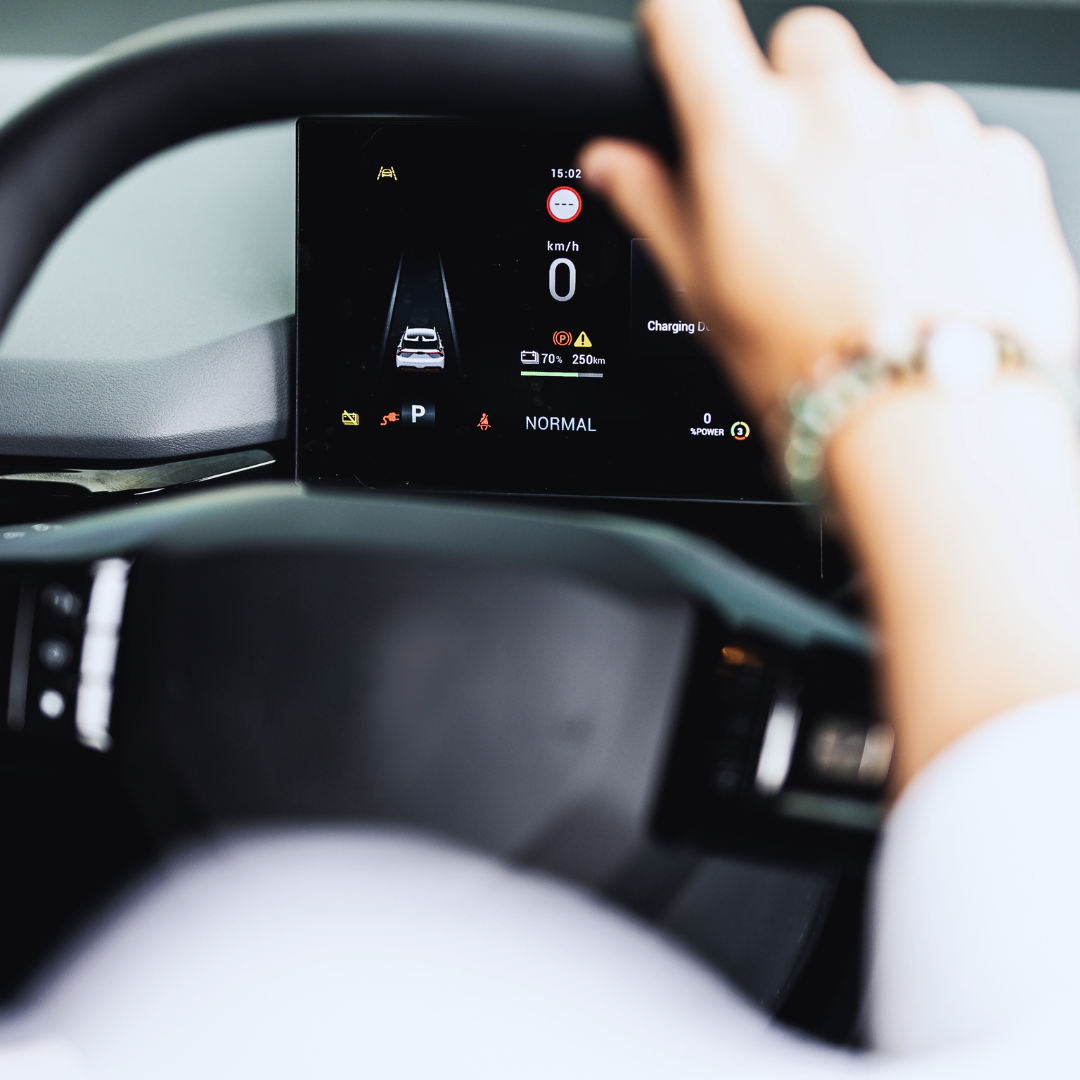
Adaptive cruise control (ACC) is a technology that automatically adjusts a vehicle’s speed to maintain a safe distance from the car ahead. It enhances traditional cruise control by using sensors to detect traffic and slow down or speed up without driver intervention.
This system improves driving comfort and safety, especially in stop-and-go traffic. Drivers can set their desired speed and following distance, and the vehicle takes care of the rest, reducing the need for constant acceleration and braking.
Understanding how ACC works helps drivers use it effectively and recognize its limitations. Knowing when and where to rely on adaptive cruise control can lead to a smoother and safer driving experience.
Core Principles of Adaptive Cruise Control
Adaptive cruise control (ACC) adjusts vehicle speed automatically to maintain a consistent distance from the car ahead. It enhances driving safety by regulating speed and managing proximity, especially on highways. This system operates differently from traditional cruise control and relies heavily on precise distance measurement.
Definition and Functionality
Adaptive cruise control is an advanced driver-assistance technology that maintains a set speed while automatically adjusting to the flow of traffic. It uses sensors, such as radar and cameras, to detect vehicles ahead and modulate acceleration or braking accordingly.
The system continuously monitors the road to keep a safe following distance. When traffic slows, ACC reduces speed and resumes the preset speed when the road clears. This reduces driver effort and enhances comfort during long drives.
Differences from Traditional Cruise Control
Traditional cruise control maintains a fixed speed set by the driver, requiring manual braking to adapt to slower traffic. It cannot change speed based on the distance to other vehicles.
In contrast, adaptive cruise control automatically adjusts speed by responding to traffic conditions. This dynamic regulation reduces the need for frequent manual intervention and improves highway driving safety by preventing sudden, unsafe closing gaps.
Importance of Safe Following Distance
Maintaining a safe following distance is critical to avoiding collisions and ensuring smooth traffic flow. Adaptive cruise control systems calculate this distance using sensors, considering speed and traffic density.
Safe following distance allows ACC to react in time to slowing or stopped vehicles, reducing accident risk. It enhances vehicle safety by ensuring sufficient braking time and reducing driver stress in varying traffic conditions.
Key Components and Technologies
Adaptive cruise control relies on precise detection and measurement systems to maintain safe distances and adjust vehicle speed. It combines multiple sensor types and data processing methods for accurate real-time responses.
Radar Sensors and Radar Technology
Radar sensors are crucial for detecting objects in front of the vehicle. They emit radio waves that bounce off objects and return, allowing the system to calculate distance and relative speed.
Radar technology operates effectively in various weather conditions, including fog and rain, where optical sensors may struggle. It typically covers a range of up to 200 meters, providing early detection for adaptive cruise control.
These sensors feed data into control algorithms, allowing the system to adjust speed and maintain consistent spacing. Radar’s reliability in long-range detection makes it a cornerstone of adaptive cruise control and other advanced driver-assistance systems (ADAS).
Lidar and Lidar Sensors
Lidar sensors use laser light pulses to create detailed, three-dimensional maps of the vehicle’s surroundings. This technology excels at accurately measuring distances to objects and detecting their shape.
Lidar is highly effective in short to medium ranges, often complementing radar data. It provides precise spatial information, which helps adaptive cruise control systems distinguish between different types of obstacles.
While lidar performance can be affected by heavy rain or fog, it enhances the system’s ability to identify stationary and moving objects. By integrating lidar sensors, cruise control technology improves situational awareness and decision-making.
Role of Cameras and Sensor Fusion
Cameras offer visual data critical for interpreting road markings, traffic signs, and detecting vehicles or pedestrians. They capture images that advanced driver-assistance systems analyze using computer vision.
Sensor fusion combines inputs from radar, lidar, and cameras to create a comprehensive understanding of the environment. This process reduces errors from individual sensors and refines control algorithms for better accuracy.
By merging data from these sources, adaptive cruise control can make more informed adjustments to speed and braking. Sensor fusion is essential to advance cruise control technology beyond simple speed regulation to dynamic, real-world responsiveness.
How Adaptive Cruise Control Responds to Traffic
Adaptive cruise control (ACC) continuously monitors the environment to maintain safe distances and speeds, adjusting to various traffic conditions. It manages acceleration and braking precisely, ensuring smooth vehicle control even in complex driving scenarios.
Real-Time Speed Adjustment
The system uses radar and cameras to detect vehicles ahead and calculate the appropriate speed. When a slower vehicle appears, ACC reduces speed by applying controlled deceleration. Once the road clears, it accelerates back to the preset speed smoothly.
This process avoids abrupt changes, improving passenger comfort and ensuring system reliability. Speed adjustment is dynamic and real-time, constantly responding to new data. It also respects speed limits to prevent speeding violations during normal cruising.
Adapting to Heavy and Stop-and-Go Traffic
In heavy traffic or stop-and-go conditions, ACC adjusts acceleration and deceleration frequently. It manages short distances between vehicles, maintaining a safe headway to minimize collision risks. The system handles repeated braking and acceleration without driver input.
Adaptive cruise control can bring the vehicle to a full stop when traffic halts and resume acceleration when traffic moves again. This fail-safe operation reduces driver fatigue during congested commutes and enhances overall safety in slow-moving traffic.
Integrating with Other Vehicle Safety Systems
ACC often works alongside systems like automatic emergency braking and lane keeping assist. When the radar detects an imminent collision, automatic emergency braking can override ACC to prevent impact. Lane keeping assist ensures the vehicle stays centered during speed adjustments.
This integration enhances collision avoidance capabilities and supports continuous vehicle control. By linking ACC with other safety features, the system provides a comprehensive approach to managing traffic risks while maintaining smooth operation.
Benefits, Challenges, and the Future of Adaptive Cruise Control
Adaptive cruise control (ACC) improves driving by reducing fatigue, optimizing fuel consumption, and enhancing traffic flow. However, it faces technical limitations and reliability issues. Emerging technologies and evolving standards will shape its future effectiveness and integration.
Enhancements in Driver Comfort and Fatigue Reduction
ACC reduces the need for constant acceleration and braking, which eases muscle strain and mental fatigue during long drives. By maintaining set speeds and safe distances automatically it allows drivers to focus on steering and monitoring the road.
This system is especially beneficial in stop-and-go traffic where frequent speed adjustments can cause discomfort. Drivers experience less stress because ACC handles speed modulation smoothly, improving overall comfort during extended trips.
Impact on Fuel Efficiency and Traffic Flow
ACC can enhance fuel efficiency by maintaining steady speeds and avoiding excessive acceleration or hard braking. Vehicles using ACC often consume less fuel compared to manual driving, especially on highways.
In terms of traffic flow, ACC reduces sudden speed changes and helps maintain consistent vehicle spacing. This can decrease traffic congestion and reduce the risk of rear-end collisions, contributing to smoother, safer travel conditions.
Limitations and System Reliability
ACC relies on sensors and radar that may be affected by adverse weather or poor road conditions, which can reduce its accuracy. False detections or missed obstacles remain challenges.
It cannot fully replace driver attention, as unexpected events or complex traffic scenarios require manual control. System limitations in interpreting certain objects or complex environments restrict its ability to operate independently without human oversight.
Emerging Technologies and Industry Standards
Future ACC systems will increasingly use machine learning and artificial intelligence to improve object detection and decision-making accuracy. Integration with Vehicle-to-Everything (V2X) communication will allow cars to exchange real-time data with other vehicles and infrastructure.
The automotive industry is working with organizations like UNECE to develop standards ensuring safety and interoperability. These efforts aim to make ACC more reliable, responsive, and compatible across different vehicle models and regions.


0 Comments