Tips for Buying a Reliable Used Car: Essential Advice for Smart Buyers

Buying a used car can save money, but it comes with risks if the right precautions aren’t taken. Many buyers focus on price alone, overlooking important factors that affect reliability and ownership costs.
The key to a reliable used car purchase is thorough research, inspection, and understanding the vehicle’s history before committing. This reduces the chances of unexpected repairs and ensures the car fits the buyer’s needs.
Knowing where to look, what questions to ask, and how to assess the car’s condition helps buyers make informed decisions. This guide offers clear tips to navigate the used car market confidently.
Key Steps Before Buying a Used Car
Buying a used car requires careful planning and clear priorities. Understanding budget limits, reliable models, and the differences between certified pre-owned and regular used cars ensures a smooth purchase process.
Determine Your Budget and Priorities
Setting a clear budget is essential before shopping for a used car. Buyers should include not only the purchase price but also taxes, registration, insurance, and potential repairs. This helps avoid overspending and surprises after the sale.
He or she should list priorities such as fuel efficiency, size, and safety features. Deciding whether the vehicle is for commuting, family use, or occasional driving affects the choice. Balancing needs against budget narrows options and speeds up the search.
Research Reliable Used Car Models
Research should focus on models with strong reputations for longevity and low maintenance costs. Consulting sources like Consumer Reports, J.D. Power, and owner reviews provides insights into common issues and overall satisfaction.
It is important to check recalls and typical repair expenses specific to years and trims. Some brands consistently perform better in terms of engine reliability and resale value, which reduces long-term ownership costs.
Understand Certified Pre-Owned vs. Regular Used Cars
Certified Pre-Owned (CPO) cars undergo thorough inspections by manufacturers or dealerships. These inspections cover major systems and often include extended warranties. CPO vehicles usually cost more, but offer added peace of mind.
Regularly used cars might not have been inspected to the same standard and usually sell as-is. Buyers should assess the risks and consider professional inspections if opting for non-CPO vehicles. The choice depends on budget, risk tolerance, and desired guarantees.
Where and How to Find a Reliable Used Car
Finding a reliable used car requires choosing the right source and knowing what to prioritize. Different sellers come with different benefits and risks, so it is critical to weigh options and verify the vehicle’s condition and history.
Buying from a Dealership
Dealerships typically offer certified pre-owned vehicles that come with warranties and thorough inspections. Buying here provides more consumer protections compared to other sources.
Dealerships may also offer financing options and trade-in deals. However, prices tend to be higher due to added overhead. It is important to check the dealership’s reputation through reviews or the Better Business Bureau.
Before purchase, ask for a detailed inspection report and vehicle history. Confirm if any returns or repairs are covered by the dealership’s policy.
Purchasing from a Private Seller
Private sellers often have lower prices as there are no dealership fees. This route can yield good deals if the car has been well-maintained and the documentation is complete.
Buyers should request maintenance records and conduct a thorough inspection with a trusted mechanic. Private sales are “as is,” so no warranties usually apply.
It is vital to verify the title status and check for any liens on the vehicle. Payment should be handled securely with a bill of sale to establish proof of transaction.
Exploring Online Marketplaces
Online platforms like Autotrader, Craigslist, and CarGurus offer a wide selection of used cars at various price points. Filters and reviews help narrow down choices effectively.
Buyers must be cautious with listings and avoid scams by communicating directly and arranging in-person inspections. Some sites offer vehicle history reports for transparency.
Online marketplaces allow comparison shopping but require extra diligence to verify the seller’s credibility. Scheduling a pre-purchase inspection is highly recommended before completing any deal.
How to Evaluate a Used Car’s Reliability
Evaluating a used car’s reliability requires careful review of the vehicle’s past and thorough physical checks. Buyers should focus on objective data such as accident history, maintenance consistency, and the car’s current condition.
Check the Vehicle History Report
A vehicle history report is essential for understanding a car’s background. Services like Carfax and AutoCheck provide detailed records based on the car’s VIN. These reports reveal accident reports, title issues, odometer discrepancies, and previous ownership.
Look specifically for major accidents, flood damage, or incomplete records. Avoid cars with inconsistent maintenance or unreported damage. Confirm the VIN on the report matches the car’s paperwork and physical VIN plates.
Review Service Records
Service records indicate how well a car was maintained. Consistent, documented maintenance reduces the risk of unexpected repairs. Buyers should request receipts or digital logs to verify oil changes, brake services, and other routine care.
Focus on records covering major components like the transmission, timing belt, and tires. Gaps in service history don’t always indicate neglect, but frequent lack of documentation can raise concerns about the vehicle’s condition.
Inspect and Test Drive the Car
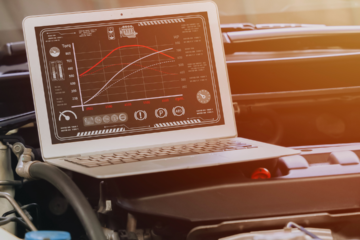
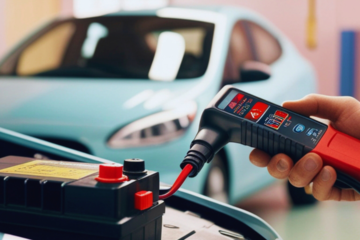
A detailed inspection and test drive reveal current reliability issues. Check for uneven tire wear, fluid leaks, and frame damage. The engine should start smoothly and run quietly without warning lights on the dashboard.
During the test drive, monitor acceleration, braking, and steering for responsiveness. Listen for unusual noises from the engine or suspension. A professional mechanic’s inspection is highly recommended for identifying hidden problems.
Closing the Deal and Ensuring Long-Term Reliability
Successfully buying a used car depends on fair negotiation, accurate documentation, and a plan for regular upkeep. Each step helps protect the buyer’s investment and supports the vehicle’s performance over time.
Negotiate Fairly with the Seller
A buyer should research the car’s market value using tools like Kelley Blue Book or Edmunds before negotiating. This sets a realistic price range and prevents overpaying.
When negotiating, focus on the car’s condition, mileage, and maintenance history. Point out any flaws discovered during inspection or test drives to justify price adjustments.
Avoid rushing the negotiation. Taking time to ask questions and listen can reveal seller flexibility. A fair price benefits both parties and reduces buyer’s remorse.
Finalize the Paperwork Correctly
The buyer must verify ownership by checking the title for liens or discrepancies. The title must be signed over properly to avoid legal issues.
Completing a bill of sale is essential; it records the final sale price, date, and involved parties. Both buyer and seller should keep copies.
Registering the car promptly with the local DMV ensures legal ownership and that tax obligations are met. Confirm the seller provides any required emissions or safety inspection certificates.
Plan for Ongoing Maintenance
Regular maintenance extends a used car’s life and prevents costly repairs. Following the manufacturer’s service schedule is critical.
Key tasks include oil changes every 3,000–5,000 miles, tire rotations, brake checks, and fluid level monitoring. Keeping records of all maintenance performed helps track the car’s history.
Budgeting for unexpected repairs is necessary, as used cars may need replacement parts sooner than new vehicles. A trusted mechanic can provide advice and early detection of issues.

0 Comments