The Difference Between Torque and Horsepower Explained: Understanding Their Impact on Vehicle Performance
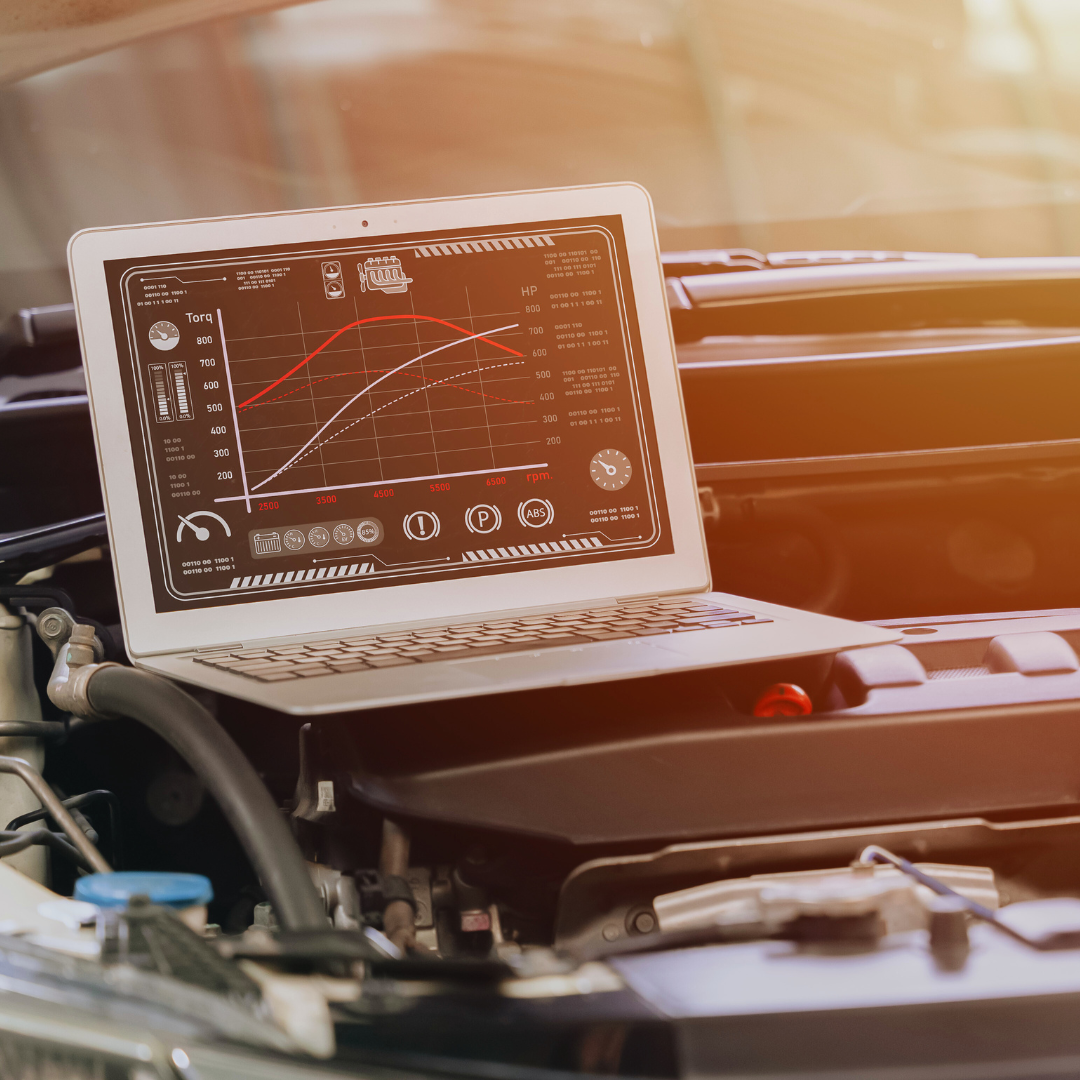
Torque and horsepower are two key terms often used when discussing engine performance, but they represent different aspects of power. Torque refers to the rotational force an engine produces, while horsepower measures how quickly that work can be done. The difference is that torque indicates the engine’s strength at moving an object, and horsepower reflects the engine’s ability to maintain that force over time.
Understanding both torque and horsepower helps to clarify how an engine performs in real-world conditions. Torque affects acceleration and towing capacity, while horsepower impacts top speed and overall power delivery. This distinction explains why vehicles with similar horsepower can feel different to drive.
Many people confuse these concepts, but knowing their roles can improve decisions when comparing engines or choosing the right vehicle. Recognizing the practical effects of torque and horsepower gives a clearer picture of engine capabilities.
What Is the Difference Between Torque and Horsepower?
Torque and horsepower describe different aspects of engine performance. Torque measures the twisting force an engine generates, while horsepower reflects the rate at which work is done. Knowing the distinction helps in understanding how a vehicle delivers power and accelerates.
Defining Horsepower
Horsepower quantifies an engine’s ability to perform work over time. It is calculated based on torque and engine speed (RPM), representing the power output. One horsepower equals 550 foot-pounds per second.
Horsepower is often used to indicate a vehicle’s top speed potential and overall power capacity. Higher horsepower means the engine can maintain higher speeds or perform intense work over longer periods.
Understanding Torque
Torque measures rotational force produced by the engine crankshaft, usually expressed in pound-feet (lb-ft). It reflects the engine’s capacity to do work in a twisting motion, providing the force that moves the vehicle.
Torque affects acceleration and the ability to haul or tow loads. Engines with higher torque can move heavier objects or accelerate more quickly from a stop, especially at lower RPMs.
How Torque and Horsepower Relate
Horsepower depends on both torque and engine RPM, calculated by the formula:
Horsepower = (Torque × RPM) / 5252
This means torque alone doesn’t determine power; the engine speed matters as well. An engine with high torque at low RPMs may feel strong initially, while horsepower influences sustained speed.
Both torque and horsepower work together to define a vehicle’s performance, with torque focusing on force and horsepower on the rate of doing work.
How Torque and Horsepower Affect Vehicle Performance
Torque and horsepower influence key aspects of vehicle performance in specific ways. Torque primarily dictates initial movement and load-handling abilities, while horsepower affects speed and power maintenance over time.
Acceleration and Launch Characteristics
Torque drives the initial acceleration and launch of a vehicle. Higher torque values mean the engine can apply greater twisting force to the drivetrain, enabling quicker starts from a stop. This is crucial in situations like merging into traffic or rapid takeoff from a traffic light.
Horsepower contributes to how well a vehicle maintains acceleration as speeds increase. Engines with higher horsepower continue to deliver power at higher RPMs, supporting sustained acceleration beyond low speeds. Still, quick initial acceleration depends more heavily on torque.
The drivetrain also matters. Vehicles with transmissions designed to maximize torque delivery can achieve faster launches despite moderate horsepower ratings.
Top Speed and Sustained Power
Horsepower largely determines a vehicle’s top speed. It reflects the engine’s capacity to maintain power output at high RPMs, overcoming aerodynamic drag and mechanical resistance. Vehicles with higher horsepower ratings generally reach and sustain higher speeds more easily.
Torque affects top speed less directly. Once moving at high speed, the force needed shifts from torque toward continuous power delivery, which is horsepower’s domain.
Sustained power output from horsepower plays a vital role during highway driving and performance scenarios where maintaining speed is necessary. Torque alone cannot keep a vehicle running at its maximum speed without sufficient horsepower.
Impact on Towing and Hauling
Torque is the critical factor in towing and hauling. Vehicles with high torque produce strong low-end power required to move heavy loads from a standstill or uphill. This makes torque more relevant than horsepower for work trucks and utility vehicles.
Horsepower supports towing by enabling the engine to maintain power under load at higher speeds, but without adequate torque, towing performance suffers.
Drivetrain components must also handle the stress torque generated during towing. Proper gearing can optimize torque delivery for heavy-duty applications, ensuring vehicle performance meets specific driving needs.
Measurement and Calculation of Torque and Horsepower
Torque and horsepower are measured using specific tools and calculations that rely heavily on engine speed. Understanding the role of revolutions per minute (RPM) and how dynamometers function is essential to grasp these measurements. Calculations connect torque and horsepower through formulas incorporating RPM.
The Role of RPM and Engine Speed
RPM stands for revolutions per minute, which measures how many times the engine’s crankshaft completes a full rotation every minute. It is a critical factor in both torque and horsepower because these values change with engine speed.
Torque is typically measured at a specific RPM, representing how much twisting force the engine generates at that speed. Engine speed affects the available torque; some engines produce peak torque at low RPM, while others may peak at higher RPM.
Horsepower depends on RPM as well, since it is a measure of how fast work is done. Therefore, as RPM increases, horsepower can rise or fall depending on torque behavior across the RPM range.
Using a Dynamometer
A dynamometer is a device designed to measure torque and calculate horsepower by simulating real-world driving conditions. It applies a load to the engine or entire drivetrain and measures force output.
Two types exist: engine dynamometers, which test only the engine, and chassis dynamometers, which assess power delivered to the wheels. Both measure torque directly by sensing resistance and calculate horsepower using engine speed (RPM).
Dynamometers provide accurate, repeatable measurements used in research, tuning, and performance verification. They help identify peak torque RPM and maximum horsepower RPM, critical for engine performance analysis.
Horsepower and Torque Formulas
Torque (T) is commonly measured in pound-feet (lb-ft) or Newton-meters (Nm). Horsepower (HP) is derived from torque and RPM using a specific formula:
HP = (Torque x RPM) / 5252
The constant 5252 comes from converting units of torque and RPM into horsepower in imperial units. This formula shows that horsepower depends on both torque magnitude and engine speed.
For example, an engine producing 300 lb-ft of torque at 4000 RPM generates:
HP = (300 x 4000) / 5252 ≈ 228.6 horsepower
This relationship illustrates that neither torque nor RPM alone defines horsepower; instead, horsepower is the combined effect of torque at a given engine speed.
Real-World Applications and Technology
Torque and horsepower shape vehicle performance differently depending on engine type, vehicle design, and powertrain technology. Understanding these factors helps explain their role in everyday driving and specialized applications.
Engine Types: Gasoline, Diesel, and Electric
Gasoline engines often prioritize horsepower to deliver high-revving power ideal for sports cars. Their torque typically peaks at higher RPMs, which benefits acceleration at speed but requires the engine to be kept in a specific power band.
Diesel engines produce more torque at low RPMs compared to gasoline engines. This characteristic makes diesel trucks excellent for towing and off-roading, where moving heavy loads at low speeds is common.
Electric vehicles generate near-instant torque from zero RPM. This results in immediate acceleration without the need for shifting gears, exemplified by models like the Chevrolet Corvette’s electric variants, offering smooth and rapid power delivery across the speed range.
Sports Cars Versus Trucks
Sports cars emphasize horsepower to achieve high top speeds and quick acceleration. Models like the Chevrolet Corvette use high-output gasoline engines optimized for peak power at high RPMs.
Trucks, especially diesel trucks, focus on torque for hauling and off-roading capabilities. Their engines prioritize low-end torque to maintain control and power under load rather than achieving high speeds.
This difference influences design choices, such as engine tuning and powertrain setup, where sports cars favor sharp responsiveness and trucks lean towards sustained pulling power.
The Role of Transmission and Gearing
Transmission design greatly affects how torque and horsepower translate to wheel performance. Manual or dual-clutch transmissions in sports cars enable precise power delivery and maintain engines within optimal RPM ranges for horsepower.
Heavy-duty trucks use transmissions with multiple low gears to multiply torque for better pulling power at low speeds. This gearing setup supports sustained effort in towing and off-road conditions.
Gear ratios serve to balance torque multiplication and vehicle speed, ensuring the powertrain meets specific performance needs without overloading the engine.
Turbocharging and Instant Torque
Turbocharged engines increase both torque and horsepower by forcing extra air into the combustion chamber. This improves engine efficiency, common in sports cars seeking greater output without increasing engine size.
Turbochargers can reduce the lag between throttle input and power delivery, but typically build torque progressively. Some modern turbocharged engines use technology to enhance instant torque, beneficial in both daily driving and competitive settings.
Electric vehicles bypass turbocharging by delivering instant torque through electric motors. This provides a different performance experience, combining immediate response with smooth acceleration without mechanical complexity.
0 Comments