What to Know About Hybrid Car Performance: Key Insights and Practical Tips
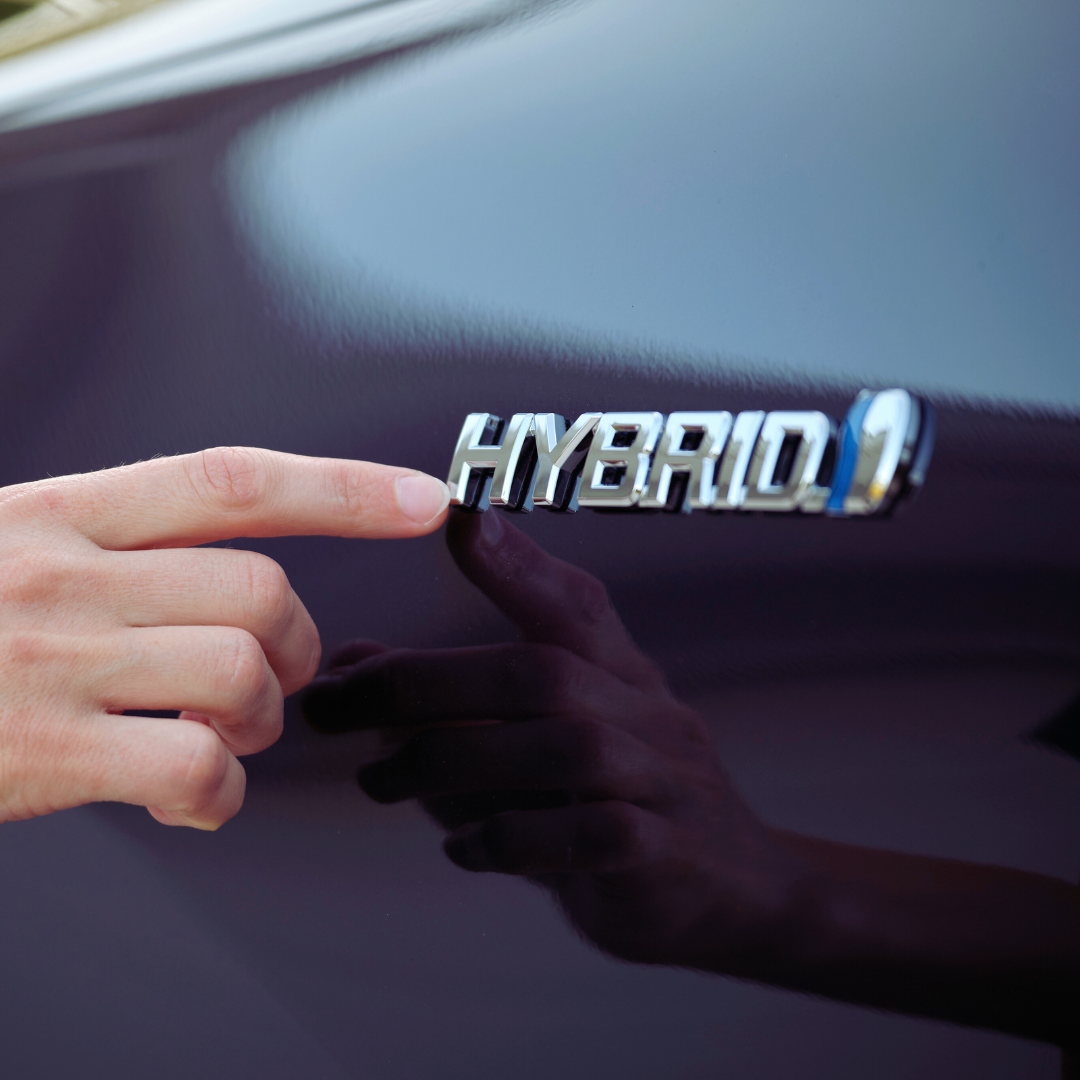
Hybrid car performance combines electric motors and traditional engines to deliver efficiency without sacrificing power. Drivers can expect smooth acceleration and improved fuel economy, especially in city driving.
The key to hybrid cars’ performance is their ability to switch seamlessly between electric and gasoline power based on driving conditions. This allows for better energy use and reduced emissions compared to conventional vehicles.
Understanding how hybrids perform under different driving styles and environments helps drivers make informed choices. It also clarifies what to expect from their overall driving experience and maintenance needs.
Core Factors Affecting Hybrid Car Performance
Hybrid car performance depends on several technical elements working in concert. Key aspects include how the internal combustion engine pairs with the electric motor, the combined power output in horsepower and torque, and the capabilities and limitations of the battery system.
Engine and Electric Motor Integration
The integration between the combustion engine and electric motor is crucial in hybrids. It determines how smoothly and efficiently the vehicle switches or combines power sources.
Hybrid systems often use parallel, series, or series-parallel configurations. Parallel systems allow both engine and motor to drive the wheels directly, improving acceleration and efficiency. Series setups rely primarily on the electric motor for motion, with the engine acting only as a generator.
Effective control systems manage when and how each power source operates. This coordination affects fuel economy, emissions, and driving dynamics. Poor integration can lead to jerky transitions or wasted energy.
Horsepower and Torque Ratings
Horsepower and torque are measures of a hybrid’s power and pulling strength. They reflect the combined output of the combustion engine and electric motor.
Manufacturers usually provide a combined rating, which is not a simple sum of engine and motor specs. The electric motor typically adds instant torque at low speeds, improving acceleration.
For example, a hybrid might have a 150-horsepower gasoline engine paired with an 80-horsepower motor, resulting in a combined output of about 200 horsepower, depending on tuning. Torque figures, often measured in pound-feet (lb-ft), are important for hill climbing and towing ability.
Effect of Battery Technology
Battery technology directly influences hybrid performance, range, and durability. Most hybrids use lithium-ion batteries due to their energy density and longevity.
The size (capacity) and weight of the battery affect vehicle efficiency and handling. Larger batteries provide more electric-only range and power but add weight, which can reduce fuel efficiency.
Charging speed and thermal management within the battery pack also impact restoration of electric power and overall system reliability. Advances in battery chemistry and cooling methods continue to improve these factors.
Driving Dynamics and User Experience
Hybrid cars balance performance and efficiency through advanced powertrains and modern features. They offer unique interactions between electric motors and internal combustion engines, affecting acceleration, handling, and braking.
Acceleration and Throttle Response
Hybrid cars use electric motors to provide instant torque, resulting in smooth and immediate acceleration from a standstill. This can make city driving feel responsive, especially in stop-and-go traffic.
However, full-throttle acceleration may feel less aggressive compared to traditional gas engines with larger displacement. The transition between electric and gasoline power is seamless but sometimes noticeable under heavy acceleration.
Throttle response is often tuned for efficiency, prioritizing smoothness and fuel savings over sporty performance. Many hybrids still deliver adequate acceleration for highway merging and overtaking with combined power output.
Handling and Ride Comfort
Hybrid technology adds weight due to batteries and electric components, which can affect handling. Automakers compensate by adjusting suspension and chassis tuning to maintain ride comfort.
This extra weight generally lowers the center of gravity, enhancing stability and control during cornering. Ride comfort tends to be smooth, with hybrids absorbing road imperfections well.
The quieter electric drive reduces cabin noise at low speeds, improving the driving experience. However, some models may feel less agile compared to lighter conventional vehicles.
Regenerative Braking Impact
Regenerative braking recovers energy by slowing the car using the electric motor, which feels different from traditional braking systems. This can cause a distinct, often stronger initial deceleration when lifting off the accelerator.
Drivers need some adjustment to modulate braking smoothly since regenerative braking can increase pedal sensitivity. It improves fuel efficiency by reducing wear on mechanical brakes and capturing energy for the battery.
Many hybrids offer adjustable regenerative braking levels, allowing drivers to select how much energy recovery they prefer. This feature contributes to both efficiency and the overall driving experience.
Fuel Efficiency, Savings, and Environmental Impact
Hybrid cars are designed to optimize fuel consumption while reducing emissions. Their performance is measured through specific fuel economy ratings, which directly impact fuel costs and environmental effects. These vehicles contribute to sustainability by using cleaner technologies that lower overall carbon output.
Fuel Economy Metrics
Hybrid cars typically achieve higher miles per gallon (MPG) compared to traditional gasoline vehicles. They combine an internal combustion engine with an electric motor to improve fuel efficiency, especially during city driving, where regenerative braking recovers energy.
The Environmental Protection Agency (EPA) provides standardized ratings such as combined, city, and highway MPG. For example, many hybrid models average between 40 and 60 MPG, which translates to significant fuel savings over time.
Drivers can expect lower fuel expenses due to reduced gasoline consumption. Efficient fuel management in hybrids is a key factor in their growing popularity among consumers aiming to save money on fuel.
Carbon Footprint Reduction
Hybrid vehicles reduce the carbon footprint primarily by emitting less CO2 per mile. Since the electric motor handles low-speed driving and assists the engine, fuel burn decreases, resulting in fewer greenhouse gas emissions.
Compared to conventional cars, hybrids can cut emissions by 20% to 35%, depending on model and usage patterns. This reduction supports broader efforts to meet climate goals and improve air quality.
The use of regenerative braking also minimizes energy waste. By recovering and reusing energy, hybrids limit the need for fuel consumption, thereby further lowering their environmental impact.
Sustainability in the Automotive Industry
The rise of hybrids represents a shift toward more sustainable transportation solutions. Automakers invest in cleaner technologies, including advanced batteries and lightweight materials, to enhance fuel efficiency and environmental responsibility.
Sustainability efforts focus not only on vehicle operation but also on manufacturing processes that reduce resource use and emissions. The hybrid car’s adoption signals a move toward reduced dependence on fossil fuels.
Hybrid technology serves as a transitional step as the industry scales up fully electric vehicle production. It balances current infrastructure capabilities with the need to lower overall environmental harm.
Hybrid Car Models and Market Leaders
Hybrid vehicles have evolved in performance, design, and technology, driven by established and emerging automakers. Consumers can find options ranging from efficient daily drivers to high-performance luxury hybrids.
Top-Performing Hybrid Vehicles
The Toyota Prius remains a benchmark for fuel efficiency and reliability since its introduction. The Toyota Camry Hybrid offers a strong balance of power and economy, appealing to mainstream buyers seeking comfort with good mileage.
Luxury brands like Audi and Porsche have entered the hybrid market with models emphasizing performance. The Porsche Cayenne E-Hybrid delivers quick acceleration and sporty handling, while Audi’s Q5 hybrid combines utility with improved fuel savings. These vehicles blend power and efficiency but come at a higher price point compared to mainstream hybrids.
Comparison of Leading Automakers
Toyota leads the hybrid segment with a broad lineup, emphasizing fuel economy and dependability. Its early adoption of hybrid technology gave it a significant advantage in consumer trust.
European automakers such as Audi and Porsche focus on premium hybrid models. They incorporate advanced engineering, targeting buyers who prioritize performance alongside emissions reduction.
Other automakers integrate hybrid technology into various models to meet diverse market needs. This competitive landscape fosters innovation and improves hybrid options in terms of range, power, and price.
Notable Innovations in the Hybrid Market
Toyota’s hybrid systems emphasize seamless transitions between electric and gasoline power, improving efficiency. Their use of nickel-metal hydride and lithium-ion batteries aims to balance cost, performance, and longevity.
Audi and Porsche implement plug-in hybrid systems, allowing short-distance all-electric driving. They also optimize regenerative braking and battery management to enhance performance.
Automakers increasingly experiment with lightweight materials and aerodynamic designs to augment hybrid efficiency. Software improvements in energy management systems play a critical role in maximizing real-world performance across hybrid car models.


0 Comments