How to Tell If Your Car Is Ready for Long-Distance Travel: Essential Pre-Trip Checks and Tips

Preparing a car for long-distance travel involves checking key components to ensure safety and reliability. The most important indicator that a car is ready for a trip is that its essential systems—tires, brakes, fluids, and lights—are all thoroughly inspected and in good condition. These checks reduce the risk of breakdowns and keep the driver alert to potential issues.
A careful review of the vehicle’s maintenance history and a quick test drive can reveal any lingering problems. Tires should have proper tread depth and pressure, brakes need to feel responsive, and all fluid levels must be topped off and clean. Paying attention to these details helps prevent avoidable disruptions during the journey.
Essential Checks to Determine If Your Car Is Ready for Long-Distance Travel
Before setting out on a long trip, it is important to verify several critical systems of the vehicle. These checks help ensure safety and reduce the likelihood of breakdowns during travel.
Inspect Tire Condition and Pressure
Tires should be free from cracks, bulges, or excessive wear. Tread depth must be at least 2/32 of an inch, with deeper tread preferred for wet or uneven roads.
Tire pressure needs to match the manufacturer’s recommended levels found on the door frame or manual. This includes all four tires and the spare tire. Incorrect tire pressure causes uneven wear and poor fuel economy.
The spare tire’s condition and pressure must also be checked. Confirm the tire is fully inflated and in good shape, as it is crucial in emergencies. Rotate tires if it has been over 6,000 miles since the last rotation.
Evaluate Fluid Levels and Quality
Engine oil should be at the proper level and clean. Dark, gritty oil requires an oil change before travel.
Transmission fluid must be checked for level and clarity. Cloudy or burnt fluid indicates servicing is needed.
Coolant levels should be between the minimum and maximum marks in the reservoir. The coolant must be free of debris or discoloration to prevent overheating.
Brake fluid must be clear and topped to the recommended level to maintain braking performance.
Power steering fluid should have the correct level and be free from contaminants.
Windshield washer fluid needs to be topped off for clear visibility throughout the journey.
Test Battery and Terminals
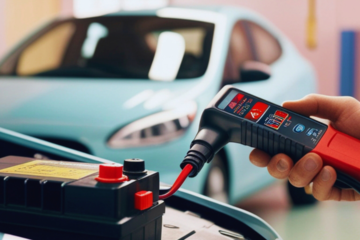
The battery should hold a charge above 12.4 volts when parked. Low voltage can result in starting problems during travel.
Battery terminals must be clean and free from corrosion. Corroded terminals prevent proper electrical flow and may cause intermittent issues.
Secure connections are necessary to avoid battery disconnection over bumps and vibrations. A professional test may be required if the battery is older than three years or shows signs of weakness.
Check Brake System Components
Brake pads should have at least 3 millimeters of lining remaining. Thin or worn pads reduce braking efficiency.
Inspect brake discs for warping or cracks. Damaged discs can cause vibrations while braking.
Ensure the brake fluid is at the correct level without leaks. Air or moisture in the brake lines can cause a spongy pedal feel and reduced stopping power.
Test the emergency brake for firmness and proper engagement. It is a vital safety component if the main brakes fail.
Ensuring Visibility, Safety, and Communication on the Road
Proper lighting, clear windshield visibility, and reliable audible signals are essential for safe driving during long trips. These elements help maintain the driver’s awareness and inform other road users of the vehicle’s actions.
Assess Headlights and Taillights
The driver should inspect both headlights and taillights for brightness and alignment. Headlights must illuminate the road evenly without flickering or dimming. Any cracks or cloudiness in the lens can reduce effectiveness and should be cleaned or replaced.
Taillights must be clearly visible from at least 500 feet in normal conditions. The bulbs should function consistently; flashing or partial illumination indicates a problem. It is advisable to check both low and high beams and ensure the headlight housing is free from moisture.
Verify Turn Signals and Brake Lights
Turn signals and brake lights communicate the driver’s intentions to others and prevent collisions. The signals must flash at a steady pace between 60 to 120 times per minute. Flickering or a non-functioning signal often signals a burned-out bulb or faulty wiring.
Brake lights should activate immediately when the brake pedal is pressed. The driver or passengers can verify the operation by pressing the brakes while someone observes from behind. Both the brake lights and turn signals must be easily seen in daylight and at night.
Inspect Wiper Blades and Washer Fluid
Effective windshield wipers are crucial for visibility in rain, snow, or dirt. The blades should clear the windshield without streaking, skipping, or making noise. If the rubber edge is cracked, torn, or hardened, replacement is necessary.
The washer fluid reservoir must be full with a suitable cleaning solution for removing bugs, salt, and grime. Checking the pump’s function by activating the washer ensures fluid reaches the windshield evenly and promptly.
Test Horn Functionality
The horn serves as an essential alert tool to warn other drivers and pedestrians. It must produce a clear, audible sound that can be heard over typical road noise. Testing involves a simple press to confirm an immediate and consistent response.
If the horn sounds weak or fails to activate, inspecting the fuse, wiring, and horn unit is necessary before departure. A functional horn is a mandatory safety feature required by most traffic laws.
Final Steps to Prepare Your Car and Yourself
He should ensure all critical supplies and documents are ready before departure. Inspecting specific car components and assembling safety items will prevent delays and hazards. Proper preparation also includes verifying documentation and maintenance tasks.
Pack a Roadside Emergency Kit
A well-stocked roadside emergency kit is essential. It must include jumper cables, a first aid kit, reflective warning triangles or flares, a flashlight with extra batteries, and basic tools like screwdrivers and pliers.
Water and non-perishable snacks help in case of long delays. Including a multi-purpose utility tool and a tire pressure gauge can be beneficial. The kit should be checked regularly for expired or damaged items.
Bring Essential Documents
He should carry a valid driver’s license, vehicle registration, and proof of insurance at all times. For a long road trip crossing state lines, additional identification or permits might be required.
Copies of roadside assistance membership cards and emergency contact numbers should be easy to access. It’s advisable to keep digital backups on a phone or cloud service as well.
Examine the Air Filter and General Maintenance
Checking the air filter is crucial since a clogged one reduces engine efficiency. Replacing or cleaning it before a long trip improves fuel economy and engine performance.
An oil change must be up to date, along with inspections of brakes, tire tread, and fluid levels, including coolant and windshield washer fluid. Regular maintenance logs assist in verifying readiness.
Review Road Trip Safety Supplies
Safety supplies must include seatbelt cutters and a glass-breaking tool in case of emergencies. Extra engine oil and coolant are useful for unexpected situations.
He should verify that the spare tire is inflated and that the jack and lug wrench are in place. Weather-appropriate gear like blankets, rain ponchos, and sun protection can enhance safety and comfort on the road.
0 Comments