The Importance of Battery Maintenance in Winter for Optimal Vehicle Performance
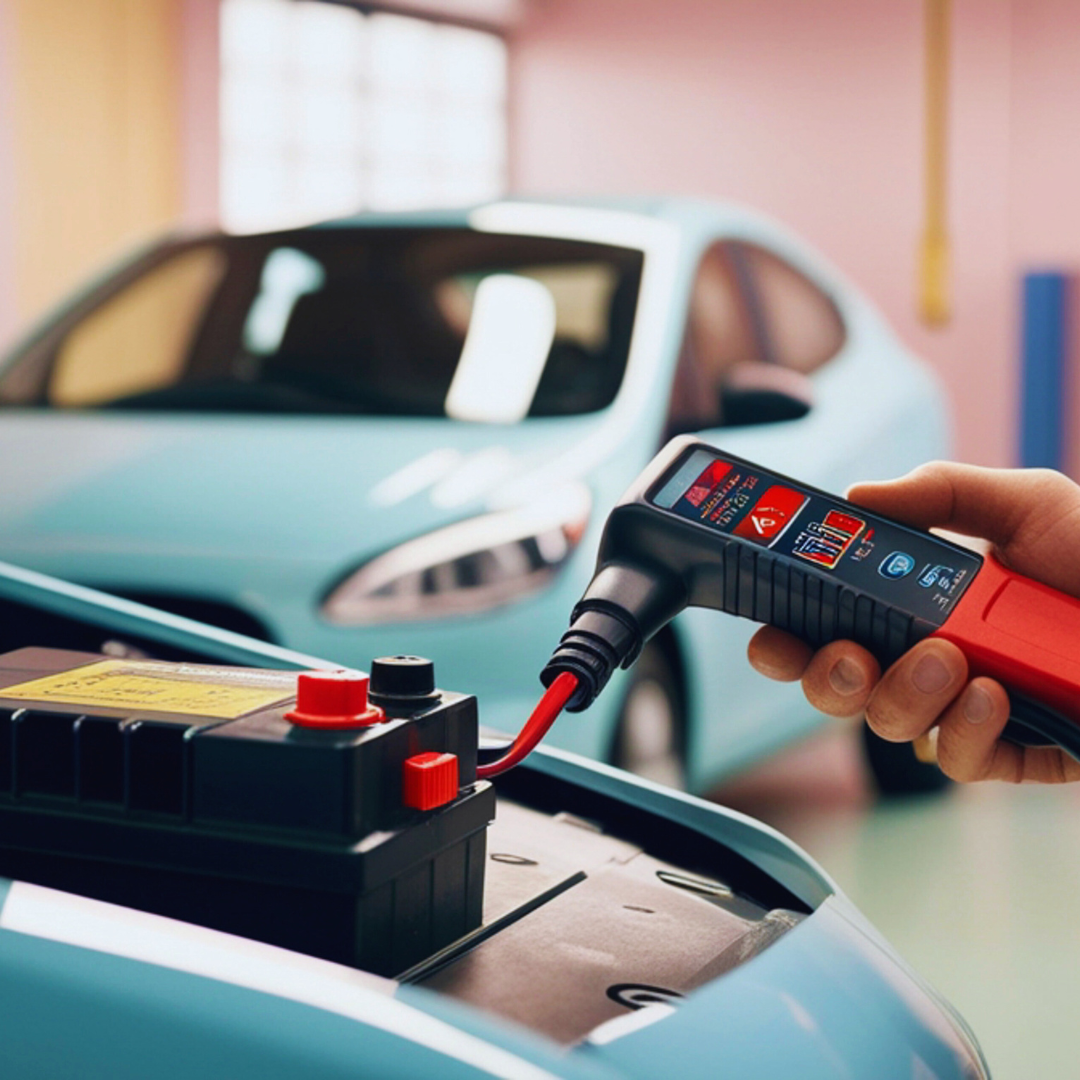
Battery performance often declines in cold weather, making winter a critical time for proper maintenance. Many vehicles face starting issues as low temperatures reduce battery capacity and slow chemical reactions inside the battery. Regular battery maintenance during winter helps prevent unexpected breakdowns and extends battery life.
Cold conditions increase the demand on the battery, especially when using heaters and lights, which further strains its power. Ignoring this maintenance can lead to inconvenience and costly repairs, especially in extreme cold. Preparing a battery for winter ensures reliable vehicle operation throughout the season.
Understanding the importance of these maintenance steps can save time and money. This knowledge empowers owners to take simple actions that significantly improve battery reliability during harsh weather.
Why Battery Maintenance Is Critical in Winter
Cold weather reduces battery efficiency, and winter increases the demand on a car battery. These factors combined can lead to starting problems and reduced battery life if maintenance is neglected.
How Cold Temperatures Impact Battery Performance
In cold temperatures, a car battery’s chemical reactions slow down, reducing its ability to produce current. At 0°F (-18°C), a battery’s capacity can drop by up to 50%. This loss means the battery delivers less power to start the engine.
Cold also thickens engine oil, requiring more energy from the battery for the engine crank. This creates extra strain on the battery, especially if it is older or weakened.
Without proper maintenance, battery health declines faster in winter, increasing the risk of a dead battery. Keeping the battery fully charged and inspecting terminals for corrosion helps maintain its capacity.
Increased Electrical Demands During Winter
Winter driving activates more electrical systems such as heaters, defrosters, and headlights, increasing the load on the battery. These systems draw additional power, which can tax weakened car batteries.
Short trips in cold weather do not allow the alternator time to recharge the battery fully. Continuous undercharging reduces battery capacity over time, leading to poorer performance.
Proper winter battery maintenance includes checking the battery’s charge regularly and avoiding excessive use of electrical accessories when the engine is off. This helps prevent early battery failure during the winter months.
Common Signs of Winter Battery Problems
Common signs include a slow engine crank, where the engine turns over sluggishly if the battery lacks sufficient charge. Dim headlights when idling may also indicate a weak battery.
Frequent jump-starts or difficulty starting the car in cold weather are clear signals that the battery is struggling. Corrosion on battery terminals can worsen these problems by hindering current flow.
Monitoring these warning signs early allows for timely maintenance or replacement, ensuring reliable starts even in freezing temperatures.
Essential Winter Battery Maintenance Practices
Proper battery care in cold weather reduces the risk of costly breakdowns. Regular testing, cleaning, and securing connections ensure the battery remains reliable and performs at optimal levels throughout winter.
Testing and Monitoring Battery Charge
Testing battery charge frequently is critical during winter. Cold temperatures reduce battery capacity, making it necessary to check the voltage with a multimeter or battery tester.
A healthy battery should show around 12.6 volts when fully charged. If the reading drops below 12.4 volts, it may need recharging or replacement.
Monitoring the charge level also helps identify parasitic drains from electrical components. Maintaining a minimum charge above 50% guarantees better cold-weather performance and extends overall battery life.
Cleaning and Protecting Battery Terminals
Battery terminals must be clean and free from corrosion to maintain efficient power flow. Corrosion appears as a white or bluish powdery deposit and can increase resistance, limiting charge transfer.
Cleaning terminals with a mixture of baking soda and water or a dedicated terminal cleaner is effective. After cleaning, applying a thin layer of petroleum jelly or terminal protector spray prevents future corrosion.
Regular inspection during winter ensures terminals stay clean, reducing starting problems and improving electrical connections.
Ensuring Secure Battery Connections
Loose or damaged battery connections cause intermittent power loss and can prevent the vehicle from starting. All terminal clamps should fit tightly on the battery posts without any wobbling.
Inspect cable ends for fraying or damage, replacing them if necessary. Tighten nuts and bolts to the manufacturer’s specifications to avoid overtightening, which can damage battery posts.
Properly secured connections allow consistent current flow, essential for maintaining the battery charge and reliable engine starts in cold conditions.
Optimizing Battery Resilience and Preventing Failures
Maintaining battery resilience requires attention to its electrical support and protecting it from cold. Several methods help ensure the battery remains reliable during harsh winter conditions, reducing the risk of sudden failure.
Inspecting the Charging System and Alternator
Checking the charging system regularly is essential. The alternator must provide the correct voltage to keep the battery charged without overcharging.
A faulty alternator can cause the battery to drain or degrade prematurely. Technicians should measure voltage output, which typically ranges between 13.8 and 14.4 volts when the engine runs.
Loose or corroded connections in the charging system also reduce efficiency. Inspect cables for wear and secure all terminals. Early detection of issues prevents battery failure during cold weather.
Using a Battery Blanket or Insulator
A battery blanket or insulation kit maintains battery temperature above freezing. This protection helps the battery sustain power and perform optimally in low temperatures.
These accessories wrap around the battery and use electrical resistance to generate mild heat. Battery blankets plug into the vehicle’s power source or an external outlet.
Battery insulation kits provide passive heat retention by reducing heat loss. Both methods reduce the strain cold exerts on the battery, helping prevent starting failures. Proper installation and manufacturer guidelines are crucial for effectiveness.
Employing a Battery Maintainer or Trickle Charger
A battery maintainer or trickle charger supplies a steady, low voltage charge during vehicle inactivity. This prevents battery discharge caused by parasitic loads or cold weather.
Maintainers automatically monitor battery voltage and only charge when needed, avoiding overcharging. Trickle chargers provide constant low amperage, ideal for long-term storage or infrequent vehicle use.
This continuous power input helps preserve battery capacity and prevents sulfation. It is especially important for vehicles driven less during the winter months or parked outdoors.
Recognizing When to Replace the Battery
Even with proper maintenance, batteries degrade over time and in cold environments. Signs of aging include slow engine cranking, dim headlights, and frequent jump-starts.
Testing with a load tester or digital multimeter can confirm battery health. Most automotive batteries last 3 to 5 years depending on climate and usage.
Early replacement reduces the risk of unexpected battery failure in winter. Choosing a battery rated for cold cranking amps (CCA) reflecting the local climate enhances reliability.
Emergency Preparedness and Safe Winter Driving
Winter conditions increase the risk of a dead battery and vehicle breakdowns. Knowing how to respond effectively can prevent delays and ensure safety during cold-weather travel.
Proper Jump-Starting Techniques
Jump-starting a dead battery requires following precise steps to avoid damage or injury. First, both vehicles should be turned off, and the jumper cables inspected for any damage.
Connect the red clamp to the positive (+) terminal of the dead battery. Then, attach the other red clamp to the positive terminal of the good battery.
Next, connect the black clamp to the negative (-) terminal on the good battery. The other black clamp must be attached to a grounded metal surface on the dead vehicle, away from the battery.
After all connections are secure, start the donor vehicle and let it run for a few minutes. Then, attempt to start the vehicle with the dead battery. Once running, remove the cables in reverse order, taking care not to let clamps touch.
Keeping Jumper Cables and Emergency Supplies Ready
Jumper cables are essential in winter, but must be properly maintained and accessible. They should be kept in a cold-resistant bag inside the car to prevent damage from freezing temperatures.
Every driver should also carry basic emergency supplies, including:
- Flashlight with fresh batteries
- Insulated gloves
- Blankets
- First-aid kit
- Non-perishable snacks
These items can be crucial if stranded. Regularly check the condition and placement of jumper cables and supplies before winter trips to ensure readiness.

0 Comments